Panic Attacks vs Anxiety: Understanding the Differences
Explore the distinctions between panic attacks and ongoing anxiety, including symptoms, duration, and how they impact daily life. Learn when to seek professional help.
Dr. Melva Reve Urgelles, Psychiatrist
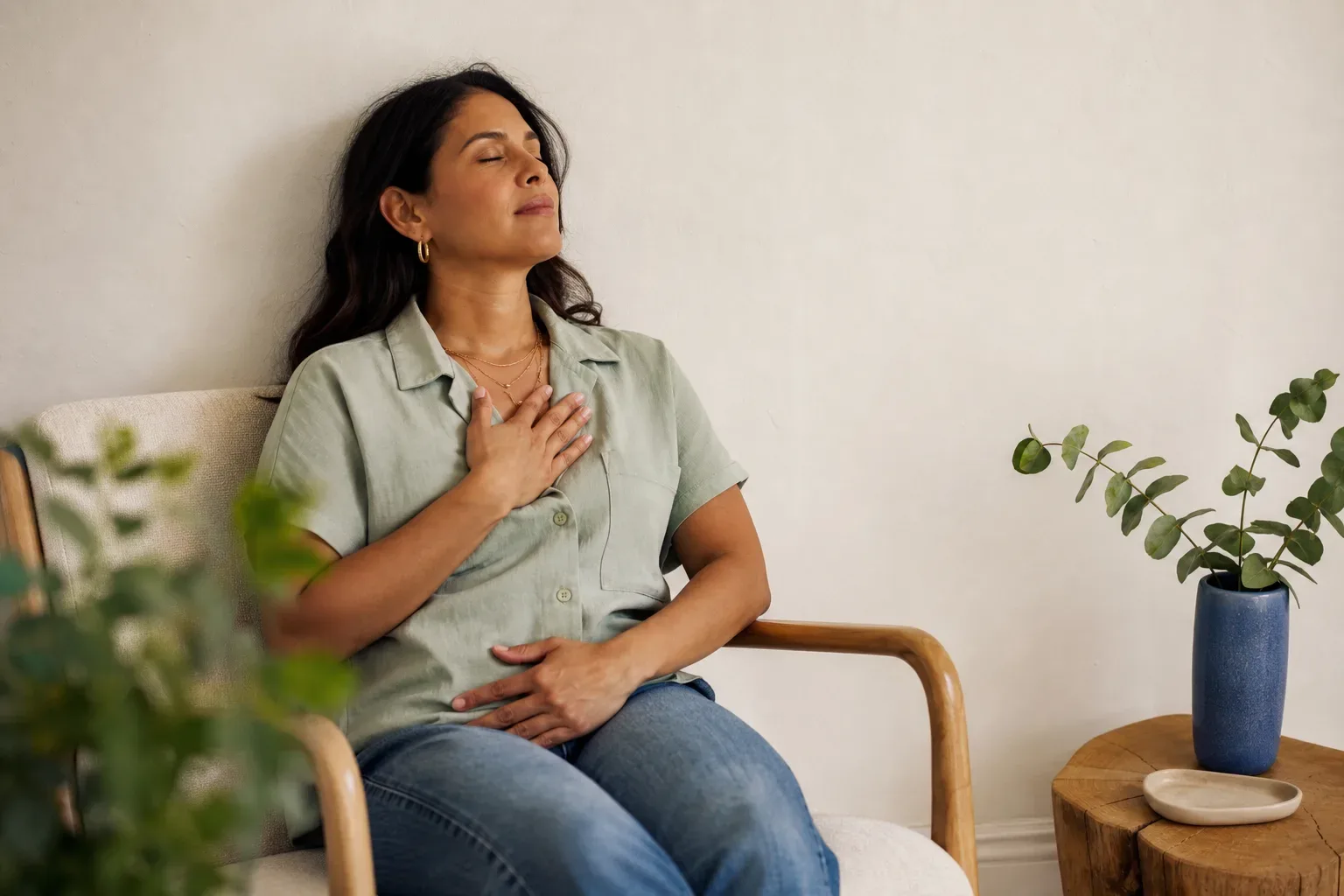
Anxiety is a common mental health concern that can manifest in various forms, including panic attacks and ongoing anxiety. While both conditions may share some similarities, they are distinct experiences that can significantly affect a person's daily life. Understanding the differences between panic attacks and ongoing anxiety is crucial for effective management and treatment.
How Anxiety Symptoms Can Affect Daily Life
Anxiety can have a profound impact on an individual's daily functioning. Symptoms may include excessive worry, restlessness, fatigue, difficulty concentrating, and irritability. These symptoms can interfere with work, relationships, and overall quality of life. For those experiencing ongoing anxiety, the persistent nature of these symptoms can lead to avoidance behaviors, where individuals may steer clear of situations that trigger their anxiety.
Panic attacks, on the other hand, are characterized by sudden and intense episodes of fear or discomfort that peak within minutes. During a panic attack, individuals may experience symptoms such as a racing heart, shortness of breath, dizziness, trembling, and feelings of impending doom. The unexpected nature of panic attacks can lead to heightened anxiety about when the next attack might occur, further complicating the individual's relationship with anxiety.
What Patients Can Expect
For individuals experiencing ongoing anxiety, symptoms may be chronic and can fluctuate in intensity. Patients often report feeling a constant sense of unease or apprehension, which can be exhausting. In contrast, panic attacks tend to be episodic, with individuals experiencing periods of relative calm between attacks. However, the fear of future panic attacks can create a cycle of anxiety that affects daily life.
During a professional evaluation, a clinician will assess the frequency, duration, and severity of symptoms to differentiate between panic attacks and ongoing anxiety. This evaluation may involve discussing the patient's medical history, current stressors, and any previous mental health treatment. Patients can expect a thorough exploration of their symptoms, which may include questionnaires or standardized assessments to better understand their experiences.
When Psychiatric Care May Help
Seeking psychiatric care can be beneficial for individuals struggling with either panic attacks or ongoing anxiety. A mental health professional can provide a comprehensive evaluation and develop a tailored treatment plan. Treatment options may include therapy, medication, or a combination of both.
For ongoing anxiety, cognitive-behavioral therapy (CBT) is often effective in helping patients identify and challenge negative thought patterns. CBT focuses on changing unhelpful thinking styles and behaviors that contribute to anxiety. In contrast, individuals experiencing frequent panic attacks may benefit from exposure therapy, which involves gradually facing feared situations to reduce avoidance behaviors. This therapeutic approach can help patients learn coping strategies and reduce the intensity of their panic responses.
Medication Management Considerations
Medication can play a significant role in managing both panic attacks and ongoing anxiety. Selective serotonin reuptake inhibitors (SSRIs) and benzodiazepines are commonly prescribed for anxiety disorders. SSRIs can help regulate mood and reduce anxiety symptoms over time, while benzodiazepines may provide short-term relief during acute panic attacks.
It is essential for patients to discuss their medication options with their clinician, as individual responses to medications can vary. Understanding the potential benefits and side effects of each medication can empower patients to make informed decisions about their treatment. Patients should also inquire about the duration of treatment, as some medications may take several weeks to show effects, while others may be used on an as-needed basis.
Additionally, patients should be aware of the importance of adhering to prescribed medication regimens and attending follow-up appointments. Regular check-ins with a clinician can help monitor progress and make necessary adjustments to the treatment plan.
Questions to Discuss with a Clinician
When meeting with a mental health professional, patients should consider asking the following questions:
- What are the differences between panic attacks and ongoing anxiety in my case?
- What treatment options are available, and what do you recommend for my situation?
- How long can I expect to be in treatment, and what are the goals?
- What should I do during a panic attack?
- Are there lifestyle changes I can make to help manage my symptoms?
- What are the potential side effects of the medications you are recommending?
- How will we measure progress in my treatment?
Care Options in Naples and Florida
In Naples, Florida, various resources are available for individuals seeking help with anxiety and panic attacks. Healing Minds Psychiatry offers comprehensive psychiatric services, including evaluations, therapy, and medication management. For those who prefer remote options, telepsychiatry services are also available, allowing patients to receive care from the comfort of their homes. To learn more about our services, visit our services page or explore telepsychiatry options.
Additionally, local support groups and community resources can provide valuable assistance for individuals coping with anxiety. Engaging with others who share similar experiences can foster a sense of connection and understanding, which can be beneficial in the recovery process.
Sources
- Anxiety Disorders - National Institute of Mental Health
- Mental Health Medications - National Institute of Mental Health
- 988 Suicide & Crisis Lifeline
If you or someone you know is experiencing a mental health crisis, please seek immediate help by calling emergency services or visiting the nearest emergency room. This article is for educational purposes only and should not be considered a substitute for professional medical advice.